
Concrete Driveway Contractor in North Phoenix, AZ
Concrete Driveways
A better driveway starts from the ground up.
A Phoenix driveway bakes in the summer sun, takes monsoon runoff and carries the cars every day. Driveway problems usually start underneath: caliche that holds water, loose fill that settles, or a slab that tips water back at the garage. We start with the ground, then pour and cure around the heat, so the new driveway stays flat, drains and looks right.
Typical price$8–$12 / sq ftinstalled · free written estimateDriveways by Sam The Concrete Man
Photos from Sam The Concrete Man jobs. Each caption says whose job it was, and the ones marked North Phoenix are ours.
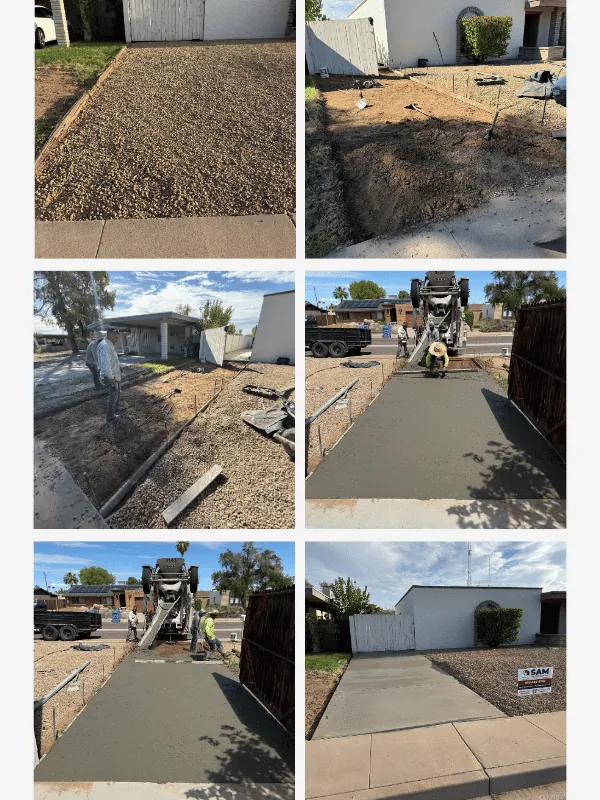
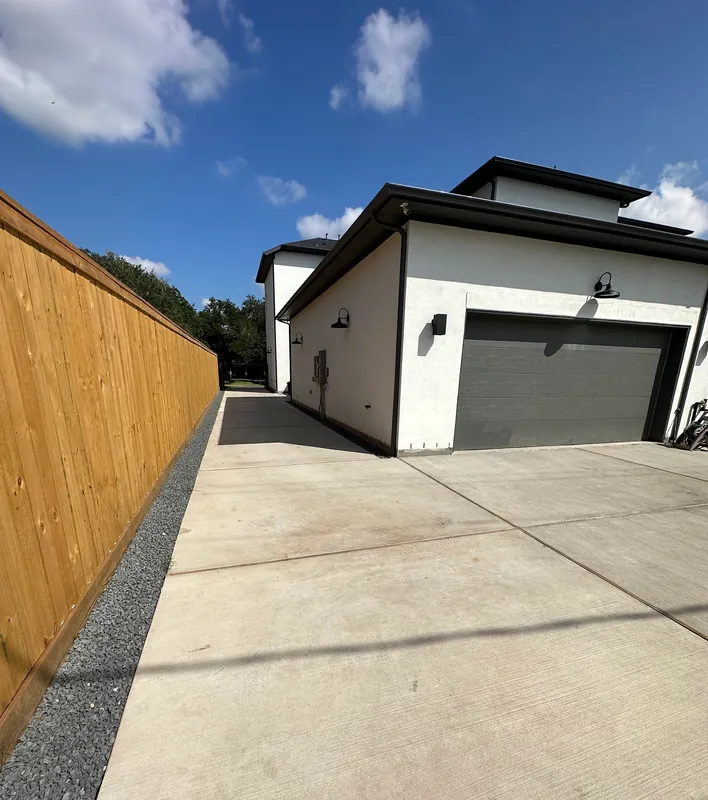
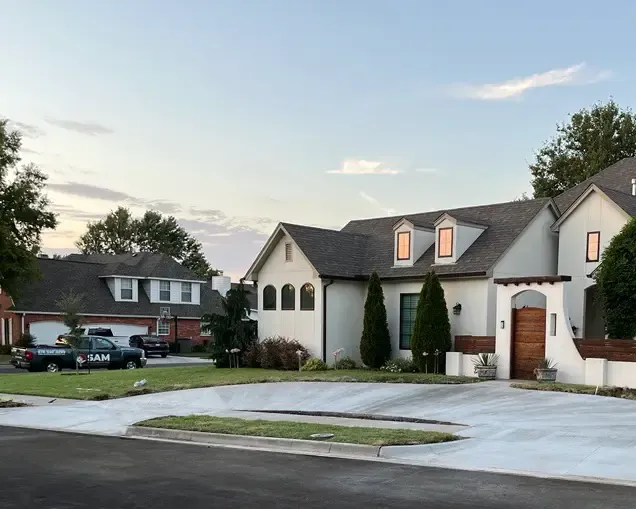
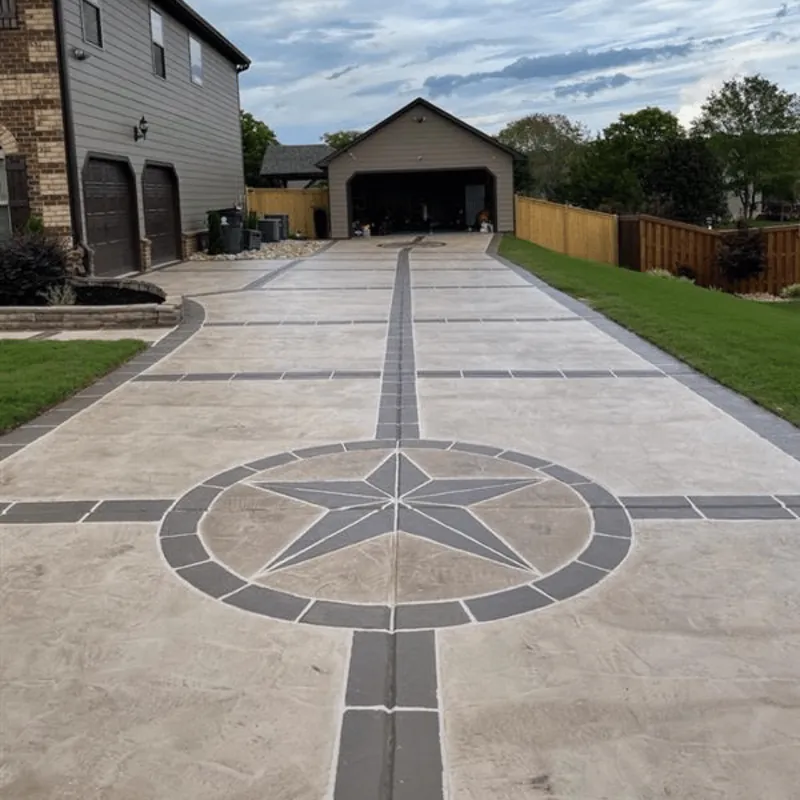
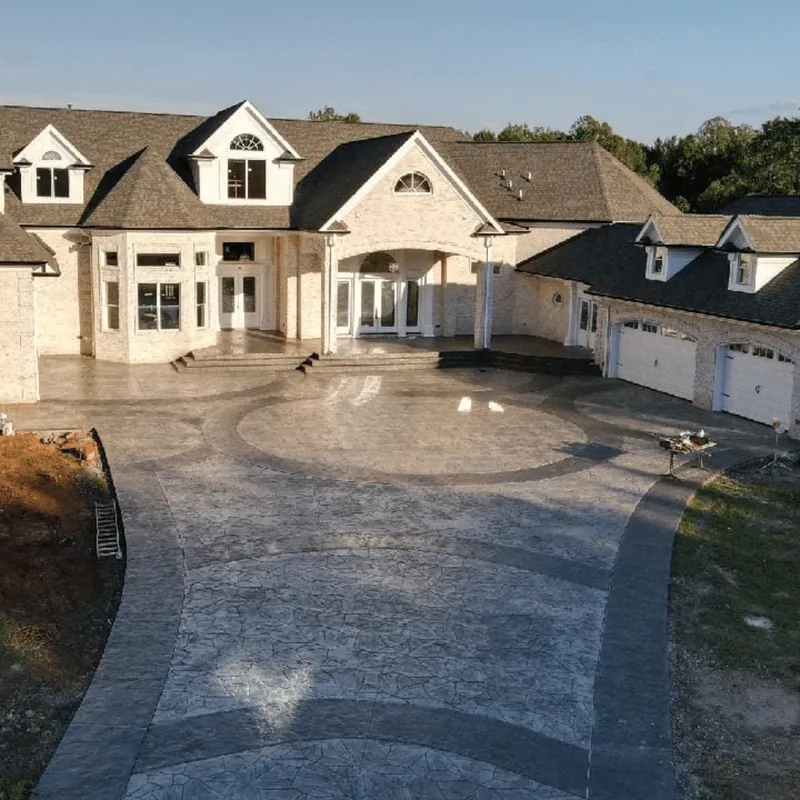
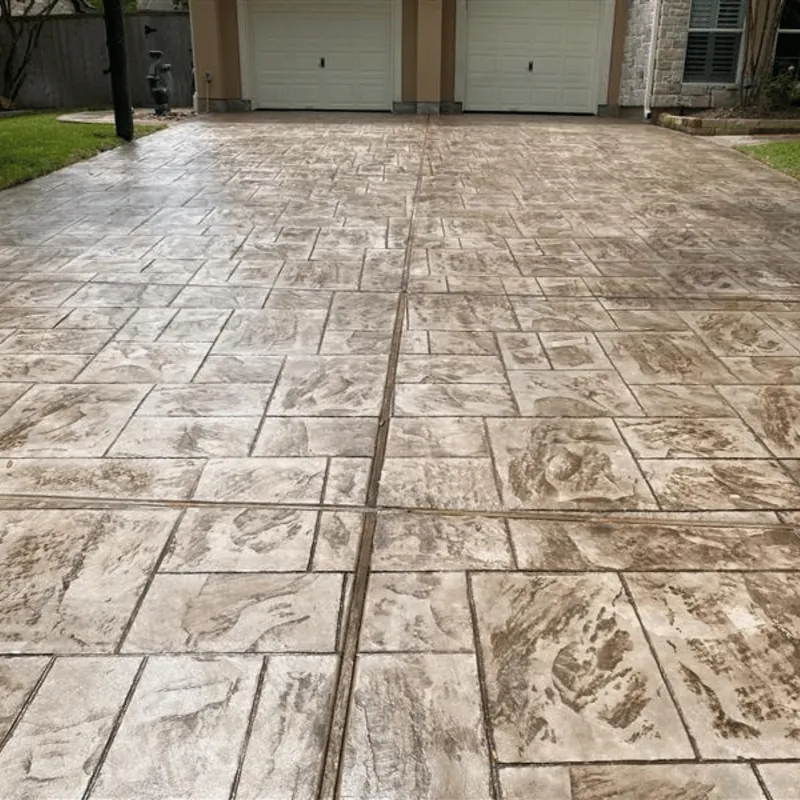
Concrete Driveways, start to finish
- New concrete driveways
- Driveway replacement and tear-out
- Extensions, widening and side parking
- RV and trailer parking pads
- Stamped, colored and exposed-aggregate finishes
- Aprons at the street, with the city permit where one is needed
What goes into it
- 01Caliche, fill and soil checked before forming
- 02Compacted aggregate base, deeper where you park heavy
- 03Slope that sends water away from the garage
- 04Control joints laid out before the pour
- 05A pour timed and cured for the heat
Good concrete starts long before the truck arrives. Our experienced team knows what to look for, what questions to ask, and which details can make the difference years down the road.
What Phoenix asks of a driveway
Caliche under the base
Much of the Valley floor has caliche: soil cemented hard by calcium carbonate, anywhere from a few inches to a few feet down. Water sits on top of it and softens the soil above. Where it is in the way, it is broken out and replaced with compacted aggregate base, and that is priced on site.
Summer heat
July highs in Phoenix average about 106°F. Heat makes concrete set faster and the dry air pulls water out of the surface, so summer pours are scheduled for the cooler morning hours and curing starts the moment finishing ends.
Monsoon runoff
From June 15 to September 30, a storm can drop heavy rain in minutes. The driveway is sloped to carry it to the street, never back toward the garage, and every pour is planned around the forecast.
The apron and the city
In Phoenix, the part of a driveway in the street right-of-way is built to city standards, 6 inches thick. On a street with roll or ribbon curb, an apron up to 10.5 feet long in the right-of-way doesn’t need its own driveway permit; a longer one, or one onto a street with no curb, does. Other cities and towns have their own rules, and we check yours.
Built for Valley ground: a driveway in cross-section
Estimate to final walkthrough
- 1Free on-site estimate: measurements, grade and drainage
- 2Written quote with a clear price before work starts
- 3Tear-out, base preparation and forming
- 4Pour, finish, cure and final walkthrough
Straightforward or decorative
Broom finish
Fine ridges for grip when it’s wet from a storm or the sprinklers. The standard for driveways and walks.
Exposed aggregate
The top layer washed back to show the stone. Grippy around pools and good at hiding dust and wear.
Stamped
Patterned to look like flagstone, slate, brick or wood plank, in one solid slab.
Integral color
Color mixed through the concrete, so chips don’t show grey and the sun doesn’t fade it.
Sealed
A UV-resistant sealer against water, stains and sun fade, renewed every few years.
A driveway on caliche is a different job than one on wash sand
The Valley has four kinds of ground, and each one changes how we prepare the base, reinforce the slab and handle water. Your community page has the specifics.
Caliche desert floor
Dig to firm ground, break out caliche that sits high in the base and haul it off the site, bring in aggregate base compacted in lifts, and slope the slab and the grade so roof and sprinkler water run away from it and off the hardpan.
River and wash alluvium
Compaction done in lifts at the right moisture, with loose or soft soil dug out and replaced, a thicker section anywhere a truck, trailer or RV will park, and grading that keeps runoff off the slab and out from under it. Washes and drainage easements stay open.
Expansive clay pockets
Remove the soft and organic soil, bring in compacted aggregate base, set rebar on chairs, and keep the moisture under the slab steady: drainage away from it, and turf and drip lines held back from its edges.
Desert foothills and rock
Excavation into the rock or hardpan, a thicker compacted base where the support is uneven, drainage that catches runoff above the slab and carries it around, and engineered retaining walls where the grade is cut. Walls on hillside lots often need a permit, and each city and town has its own rules, so we check yours.
Concrete Driveways in 77 communities
Each page covers the ground, the permits and the questions people ask us in that community.
Phoenix
- Driveways in Phoenix
- Driveways in Paradise Valley Village
- Driveways in Desert Ridge
- Driveways in Deer Valley
- Driveways in Moon Valley
- Driveways in Shadow Mountain
- Driveways in Sunnyslope
- Driveways in Norterra
- Driveways in Tatum Ranch
- Driveways in Arcadia
- Driveways in Biltmore
- Driveways in Maryvale
- Driveways in Ahwatukee Foothills
- Driveways in South Mountain
- Driveways in Laveen
- Driveways in Tramonto
- Driveways in Happy Valley
- Driveways in Stetson Valley
- Driveways in North Mountain
- Driveways in Lookout Mountain
- Driveways in Paradise Ridge
- Driveways in Kierland
- Driveways in North Central Phoenix
- Driveways in Alhambra
- Driveways in Camelback East
- Driveways in Encanto
- Driveways in Willo
- Driveways in Coronado
- Driveways in Melrose
- Driveways in Uptown Phoenix
- Driveways in Mountain Park Ranch
- Driveways in Club West
Scottsdale
Glendale
Tempe
Chandler
Gilbert
More cities and towns
- Driveways in Paradise Valley
- Driveways in Peoria
- Driveways in Cave Creek
- Driveways in Carefree
- Driveways in Anthem
- Driveways in Fountain Hills
- Driveways in Sun City
- Driveways in Sun City West
- Driveways in Surprise
- Driveways in El Mirage
- Driveways in Youngtown
- Driveways in New River
- Driveways in Tolleson
- Driveways in Avondale
- Driveways in Litchfield Park
- Driveways in Goodyear
- Driveways in Guadalupe
- Driveways in Desert Hills
Concrete Driveways: what people ask us
Typical prices for every kind of project are in the Phoenix concrete cost guide, and general questions are on the FAQ page.
Explore our concrete services
We also do footers, home foundations, piers, demolition and removal, grinding and cutting, culverts, curbing, ramps, masonry, overlays, screen enclosures, commercial pads and slabs, commercial patios, commercial walkways and entryways, industrial flooring, loading docks, parking lots. See every service →

Get a clear price on your driveway.
You'll know, without question, what your project involves, what it costs, and what to expect before work begins.